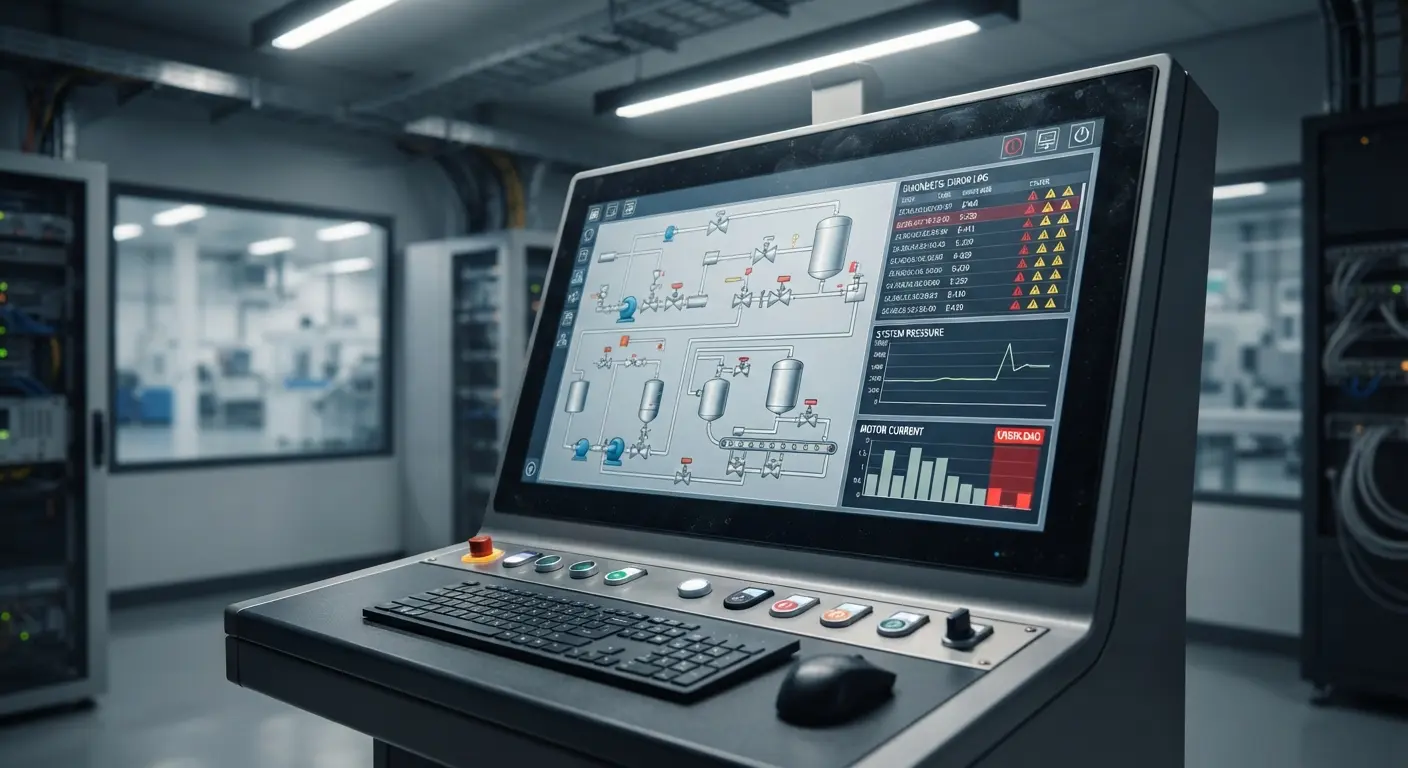
Modern industrial gas generators rely on sophisticated programmable logic controllers (PLCs) and digital engine management systems to monitor thousands of variables per second. When an anomaly occurs, the control panel flashes warning or shutdown codes. For plant operators, understanding how to read and prioritize these codes is the difference between a minor adjustment and a costly emergency shutdown.
At Mega Solutions UAE, we assist technical teams worldwide in identifying underlying component needs based on diagnostic indicators. Here is how to approach control panel alarms methodically.
1. Categorizing Alarm Priority Levels
Not all alarms require an immediate emergency stop. Effective troubleshooting starts with understanding severity:
- Advisory Warnings: Yellow or amber alerts indicating developing trends—such as rising oil temperatures or minor filter differential pressure increases—allowing scheduled intervention.
- Critical Shutdowns: Red faults that immediately trip the fuel gas train and shut down the engine to prevent catastrophic structural damage, such as overspeed, low oil pressure, or severe detonation spikes.
2. Systematic Troubleshooting Steps
- Record the Exact Code: Note the time, load percentage, and parameter values leading up to the trigger.
- Consult Technical Manuals: Match the error ID to the specific engine management firmware documentation.
- Inspect Physical Sensors: Often, a faulty sensor or loose wiring harness triggers false alarms. Test circuit continuity before replacing major components.
Note: Mega Solutions UAE is an independent trader. We are not an authorized distributor of, or affiliated with, the INNIO Jenbacher brand. All trademarks are the property of their respective owners.