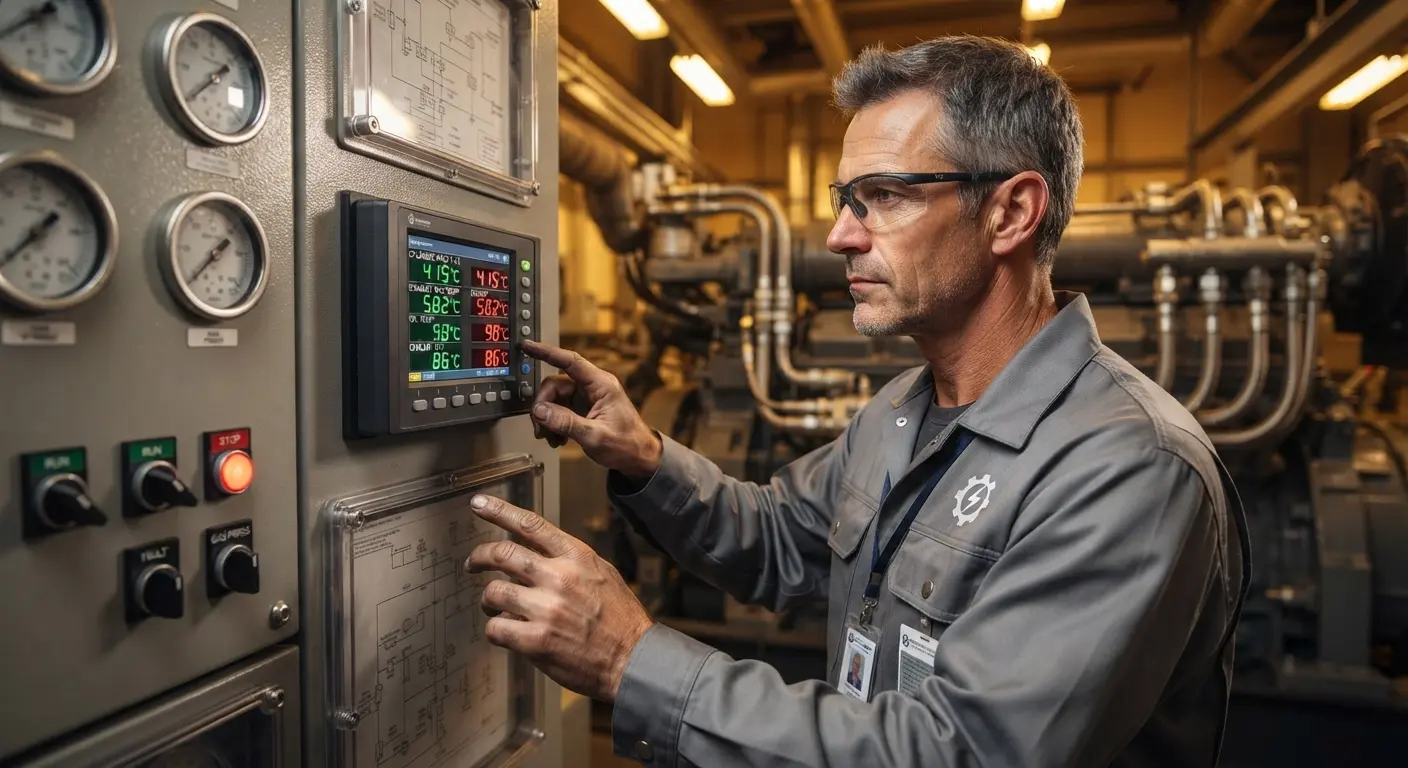
Thermal management is the cornerstone of continuous-duty power generation. Heavy-duty industrial gas engines—operating under immense loads 24 hours a day—generate staggering amounts of heat. When the cooling systems function efficiently, this energy is safely dissipated. However, when an engine begins to run hot, it triggers a cascade of mechanical risks that can warp cylinder heads, degrade lubricating oil instantly, and seize core components.
At Mega Solutions UAE, we frequently consult with plant engineers dealing with thermal anomalies. Recognizing the early warning signs and identifying the root cause of overheating is vital to protecting your engine.
1. Common Root Causes of Generator Overheating
When an industrial gas engine registers high coolant or exhaust temperatures, the issue typically traces back to one of a few critical areas:
- Cooling System Flow Restrictions: Scale buildup, corrosion, or debris in the heat exchangers or radiators restricts coolant circulation, severely reducing heat rejection capacity.
- Thermostat Failures: A stuck or sluggish thermostat traps coolant within the block, preventing it from reaching the external cooling loop.
- Lubrication Breakdown: Insufficient oil pressure or degraded oil loses its ability to draw heat away from internal moving parts like pistons and bearings.
- Improper Air-Fuel Ratios: Running an engine too lean increases combustion temperatures drastically, putting extreme thermal stress on exhaust valves and pre-combustion chambers.
2. Immediate Diagnostic Steps for Plant Technicians
When an overheating alarm trips or temperature gauges creep past operational thresholds, execute a structured troubleshooting sequence:
- Verify Sensor Accuracy: Before tearing down mechanical systems, confirm that the temperature sensor or thermocouple isn’t giving a false reading due to electrical interference or scale coating.
- Inspect Coolant Levels and Pressure: Check expansion tanks and pump performance. Look for external leaks around water pump seals and hose connections.
- Analyze Load and Ambient Conditions: High ambient intake temperatures combined with peak grid loads can overwhelm marginal cooling infrastructure. Review your plant’s HVAC and ventilation louvers in the generator enclosure.
3. Mitigating Long-Term Thermal Damage
Unchecked overheating warps metal tolerances and ruins component metallurgy. If an overheating event has already caused structural damage to top-end components like cylinder heads or valves, quick replacement is essential to restore compression integrity.
Maintaining a stock of high-integrity replacement gaskets, water pump repair kits, and thermal sensors ensures your team can react instantly when cooling efficiency drops.
Note: Mega Solutions UAE is an independent trader. We are not an authorized distributor of, or affiliated with, the INNIO Jenbacher brand. All trademarks are the property of their respective owners.