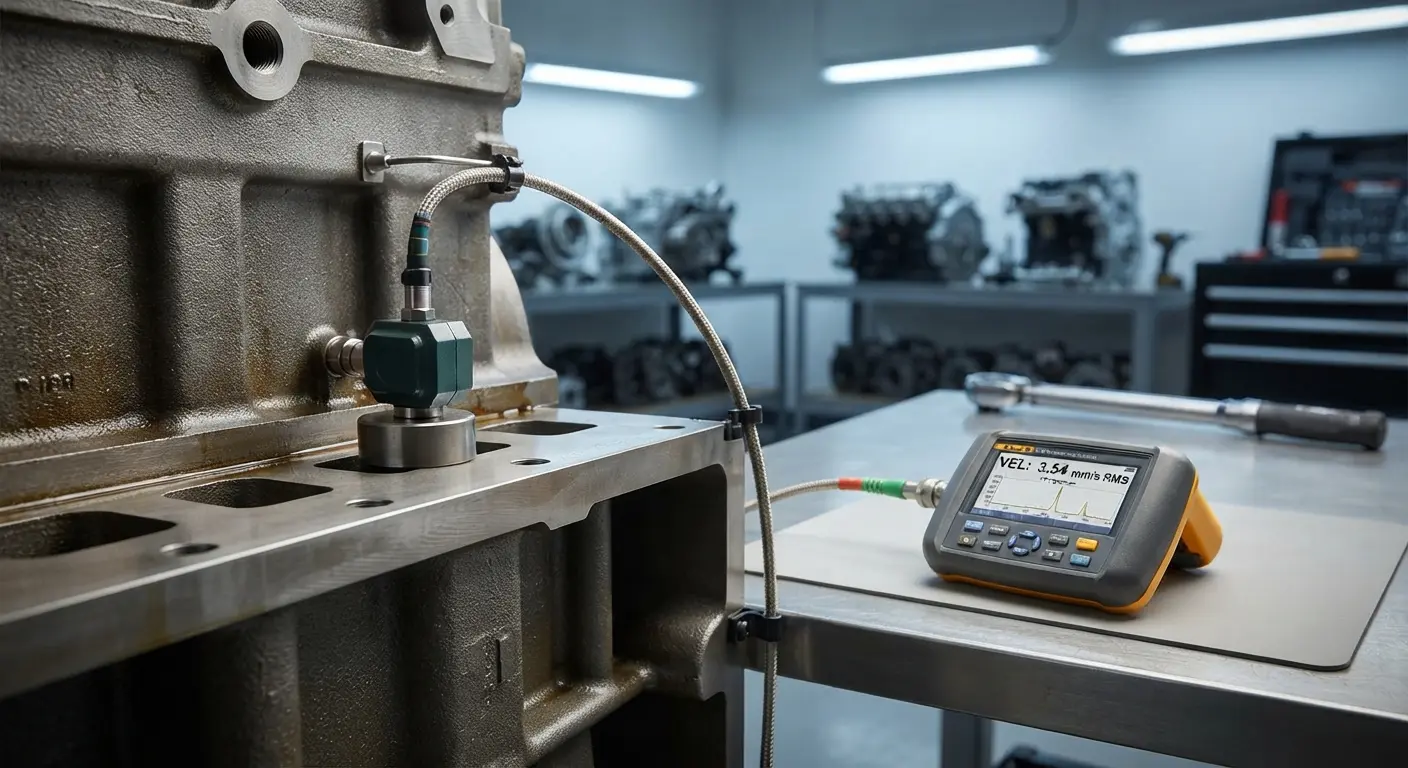
Heavy-duty industrial gas generators hum with immense power during normal operation. However, seasoned plant operators know that listening to the rhythm of their machinery is a vital diagnostic tool. When an abnormal vibration, metallic knocking, or high-pitched squeal emerges, it signals an underlying mechanical fault that demands immediate investigation.
At Mega Solutions UAE, we help technical teams trace component wear based on operational symptoms. Here is how to approach vibration and noise troubleshooting systematically.
1. Identifying the Source of Mechanical Vibrations
- Misalignment and Coupling Wear: High vibration levels measured radially or axially often point to misalignment between the engine flywheel and the alternator, or worn flexible coupling elements.
- Main Bearing and Journal Wear: Low-frequency rumbling noises accompanied by rising oil pressure fluctuations can indicate excessive bearing clearance or oil film starvation.
- Valvetrain Resonance: A sharp tapping noise from the cylinder head typically points to excessive valve lash clearance or a failing rocker arm assembly.
2. Diagnostic Steps and Corrective Actions
- Use Vibration Meters: Deploy digital vibration analyzers to pinpoint the exact frequency and axis of the anomaly.
- Inspect Mountings: Check baseframe isolators and structural anchor bolts, as loose foundations frequently magnify minor engine vibrations into major structural concerns.
Note: Mega Solutions UAE is an independent trader. We are not an authorized distributor of, or affiliated with, the INNIO Jenbacher brand. All trademarks are the property of their respective owners.